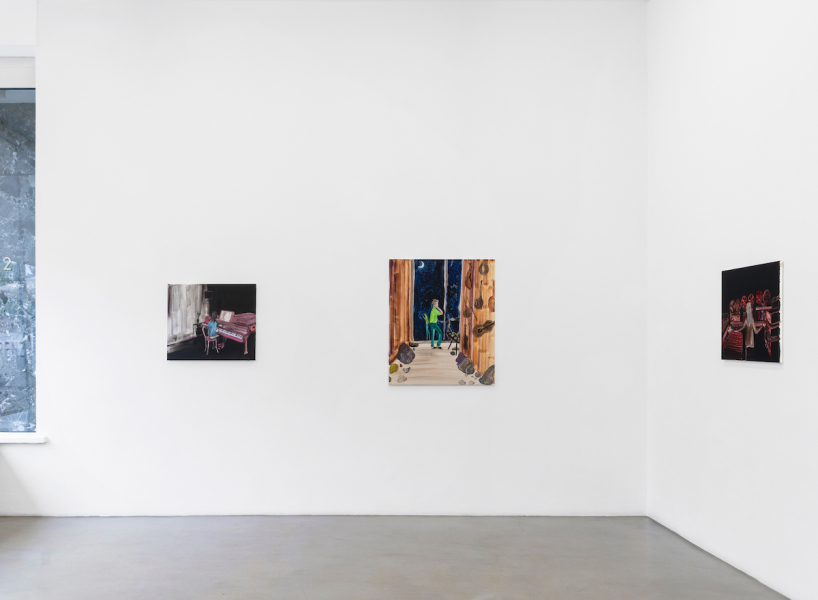
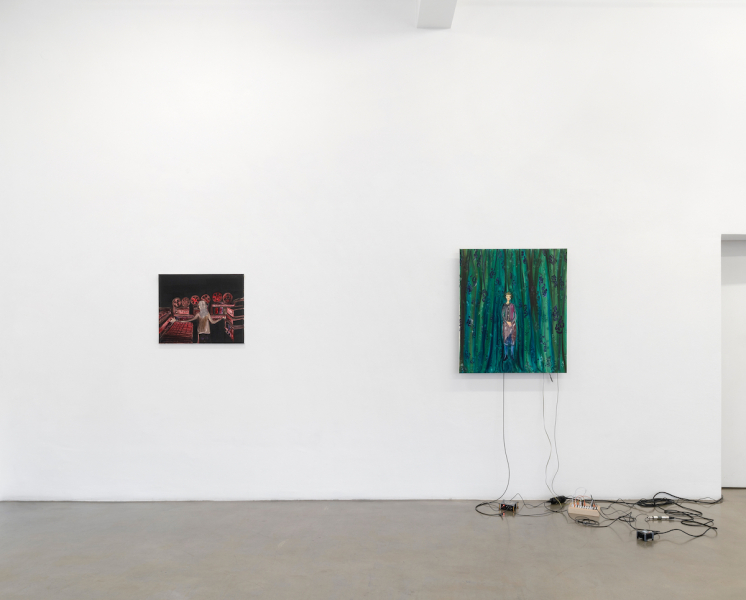
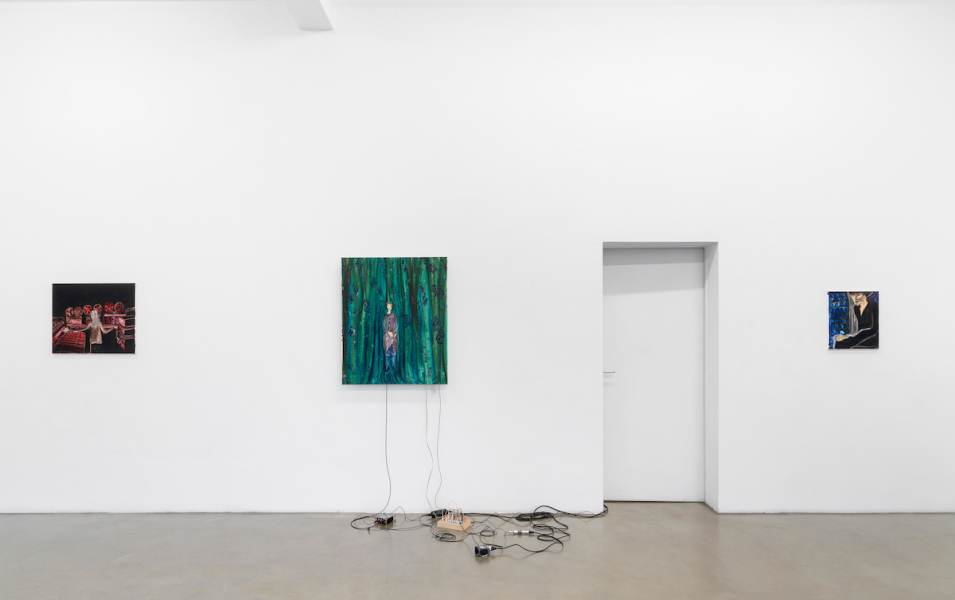
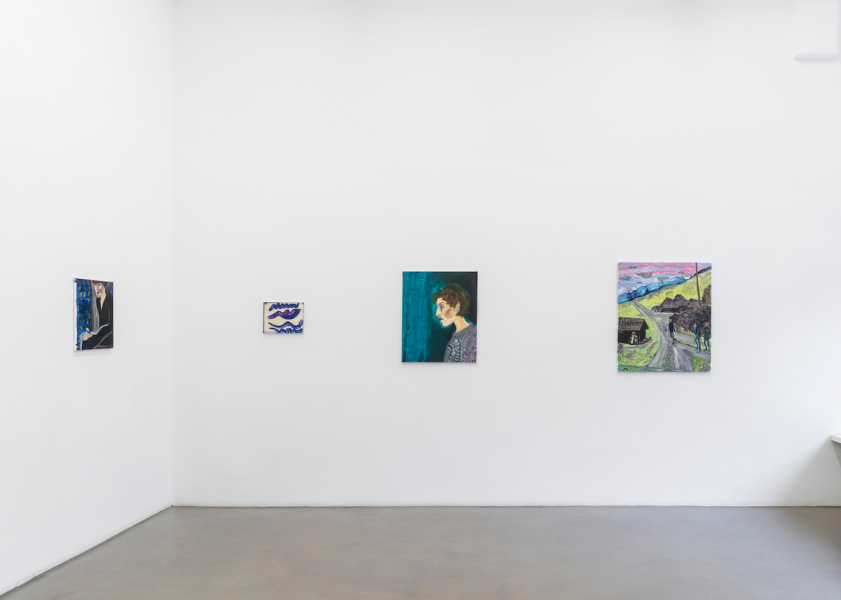
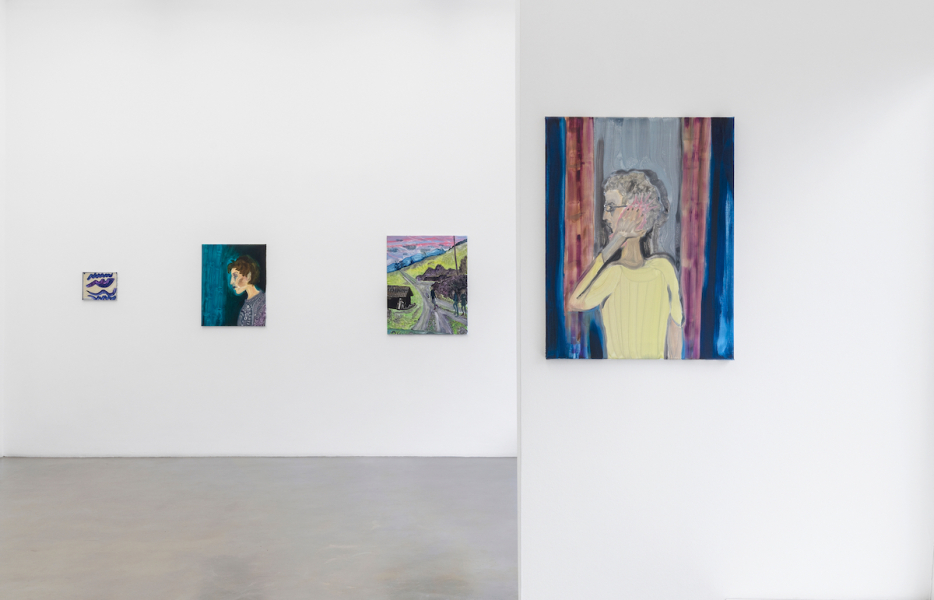
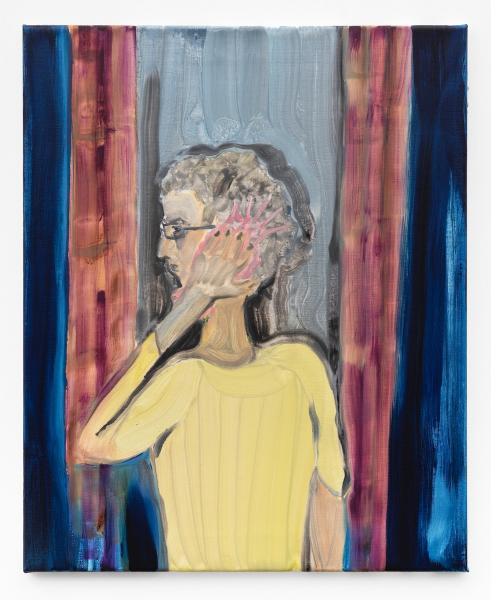
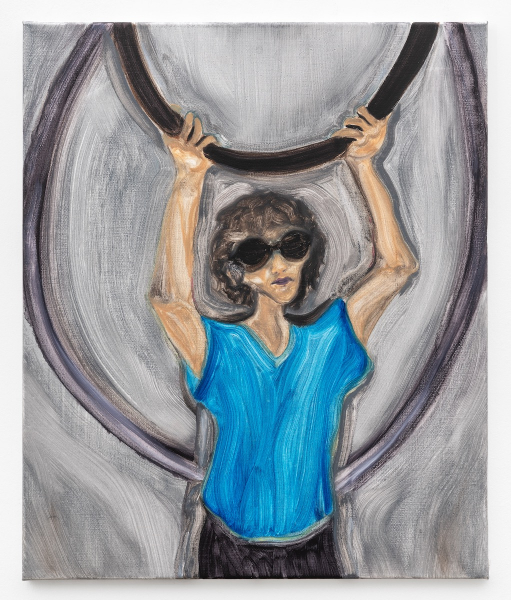
We are pleased to announce 3rd solo show with Lea von Wintzingerode at the gallery, featuring a new series of paintings and a sound work.
*
A Parlour for Icons
by Dalia Maini
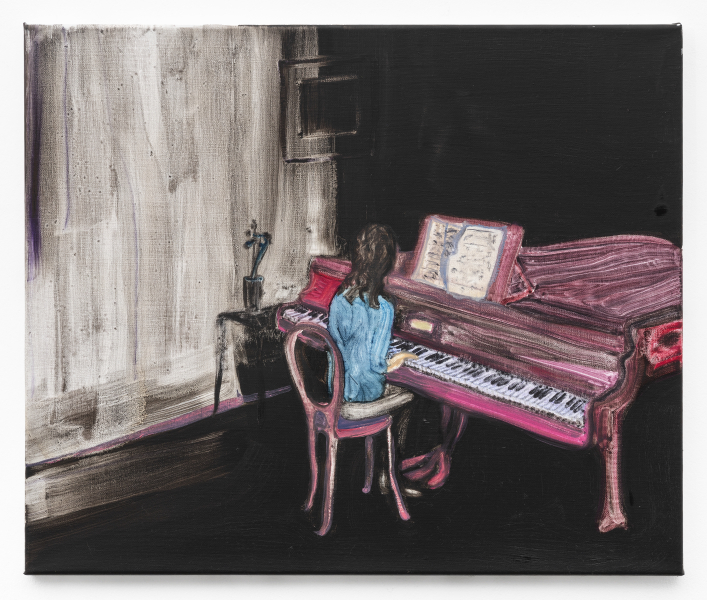
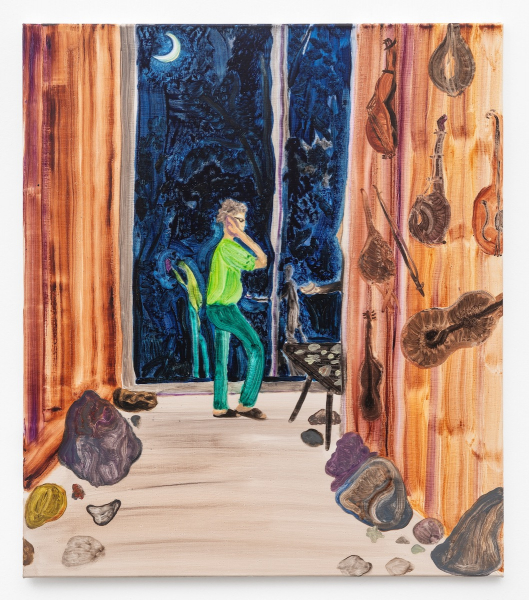
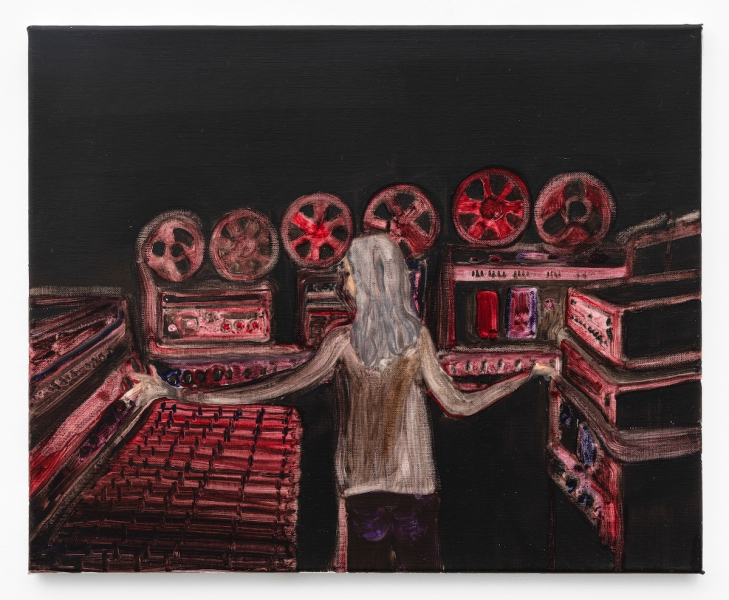
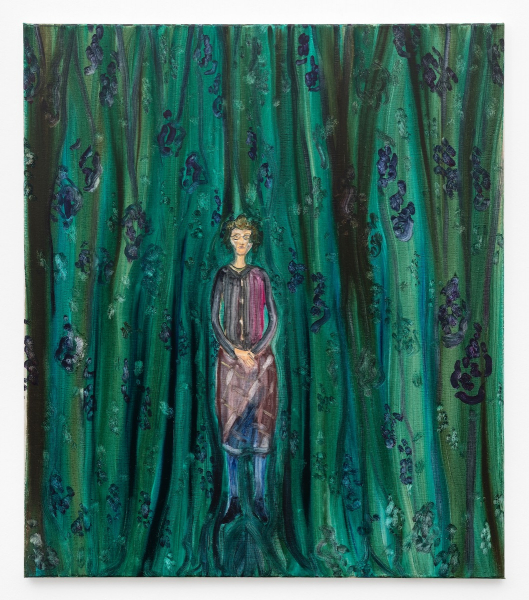
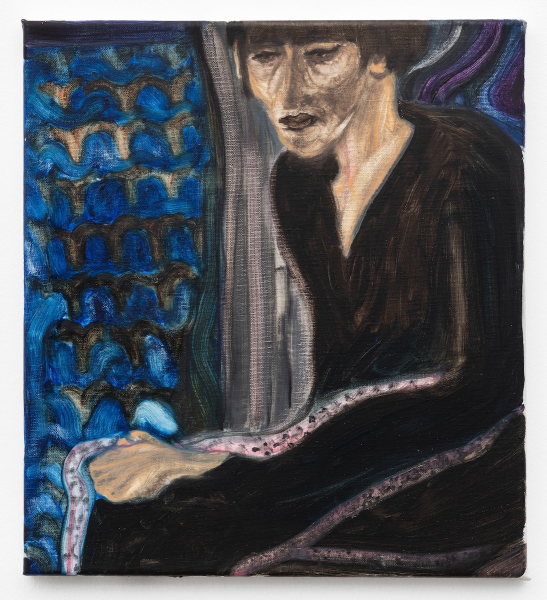
Before being captured by the Victorian elite, the parlour represented a peculiar space of encounter: a threshold between private and public life, where people who did not ordinarily overlap were brought into temporary resonance. Hierarchies softened there. The room held, for a time, figures who would not otherwise meet. In this capacious version of the parlour, Lea von Wintzingerode’s exhibition Icone summons. A room of gathering in which portraits of composers are brought together as if they had always been acquainted—though in the paintings themselves, each figure appears alone. Across oil and canvas, composers Oksana Linde, Daphne Oram, and Annea Lockwood did not choose each other’s company. Lea arranges the meeting, against a long habit of isolating and forgetting.
These “icons” gathered in the show are icons of a particular kind. Not the canonical figures of Western art history, but artists pushed to the edges of official memory: female and queer composers, musicians who moved between sound and image, practitioners who worked in the cracks between disciplines—which is to say, in the cracks through which power prefers things to fall. Many survive in the historical record only as minor keys. Some exist only because a private collector held on to something no institution thought worth preserving. When they do appear in mainstream narratives, they are measured against male contemporaries, positioned as secondary or derivative—exceptions that prove the rule rather than question it. Reputation is inseparable from access to studios, institutions, funding, and audiences. The scarcity of their output reflects not a lack of ideas but a history of calculated obstruction. The exhibition does not pretend to restore them to a prominence they were denied. It offers them what the parlour has always offered its guests: presence, company, and the dignity of being seen in relation to others, in a legacy of female composers.
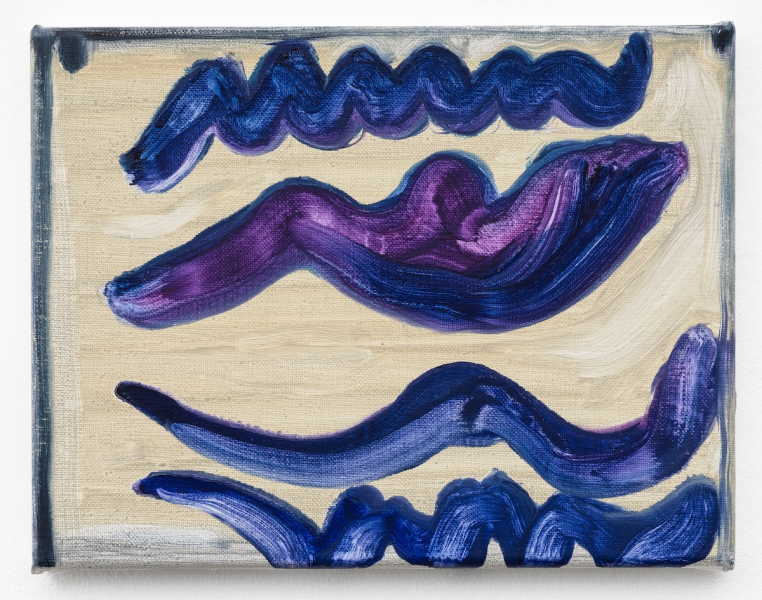
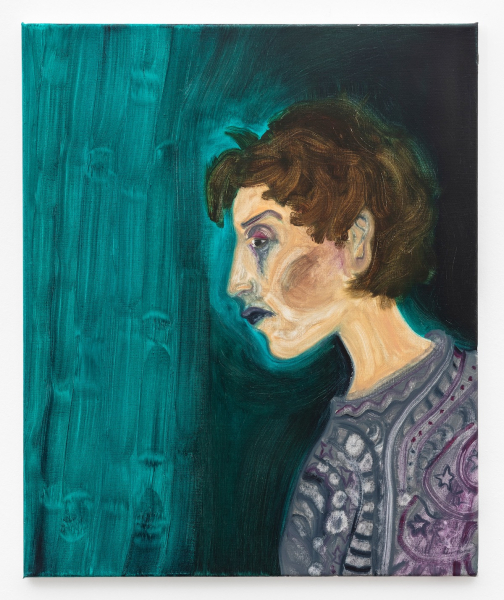
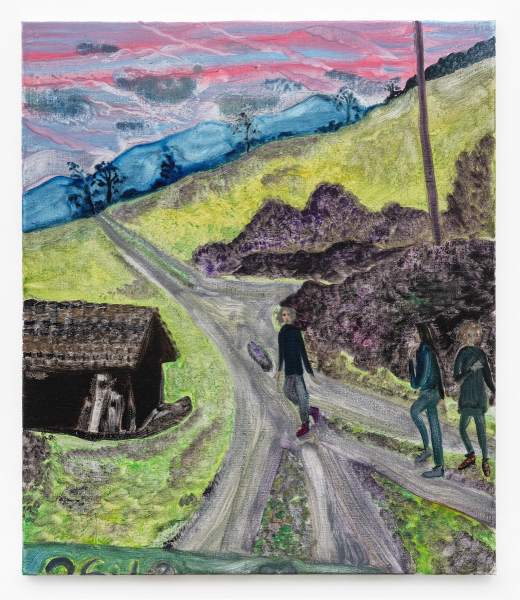
Proximity produces in Icone recognition and knowledge that mainstream historiography cannot; it outlives its hierarchies. It informs a secret of practice, a peculiarity of thought that is both privilege and protection in a world in which the art of composition remains coded into patriarchy. Lea refuses this coding by building on the canvas a space of fluidity that never settles. She paints with extremely liquid paint, pushing oil to the threshold of its own material logic. In this process, the liquid runs faster than control. Decision-making is “non-hierarchical”: not only between figure and ground, between major and minor elements, but between painting and music, between image and sound, between the visual arts and the compositional practices. To resist the hierarchy between artistic disciplines is inseparable from refusing the fixation of identity itself—the demand that a person, or a practice, stay legible within a single category, answerable to a single tradition. The painted surface enacts what the exhibition proposes: that multiplicity is not disorder. It is a politics of form.
The solitude of these women—pictured absorbed in thought, beside an instrument, blending with the built environment around them, carries the weight of the conditions under which many of these artists worked: in temporary studios, in domestic margins, in institutional niches not fully integrated into the public sphere of culture. Isolation was not chosen. It was administered. And yet Lea’s expanded portraits refuse to fix that solitude as the final word, isolation as the last condition. Lea’s pictorial abundance distributes a single subject across multiple panels. A work might include three images “of” Daphne Oram, but one panel contains no figure at all—only lines related to her invention of a system where drawn marks generate sound. In another, Oram is wrapped in a curtain; in yet another, only a partial aspect of her face or body appears. The written name is fragmented across the titles, split into segments not immediately legible. Only when the viewer mentally reassembles both text and image does the figure “Daphne Oram” cohere—and even then, the coherence remains precarious. Identity is not a stable fact to be recovered. It is becoming, still in process, still open to memory. Here not simply personal, but a liquid amalgam of many subjectivities who have engaged with the same figures across time. Inevitably, it will be incomplete. This incompleteness is staged openly: as an opportunity to escape fixation, to reclaim identity as a becoming, inviting viewers to locate themselves in relation to the work—not as spectators of another’s story, but as implicated participants in the ongoing process of remembering and reimagining. Each figure, pictured alone in her painting, becomes multiple in the room.
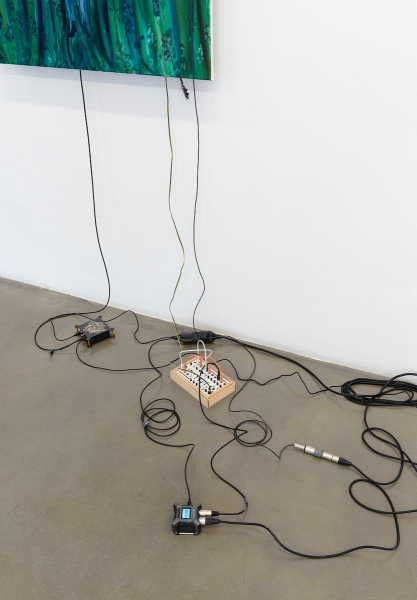
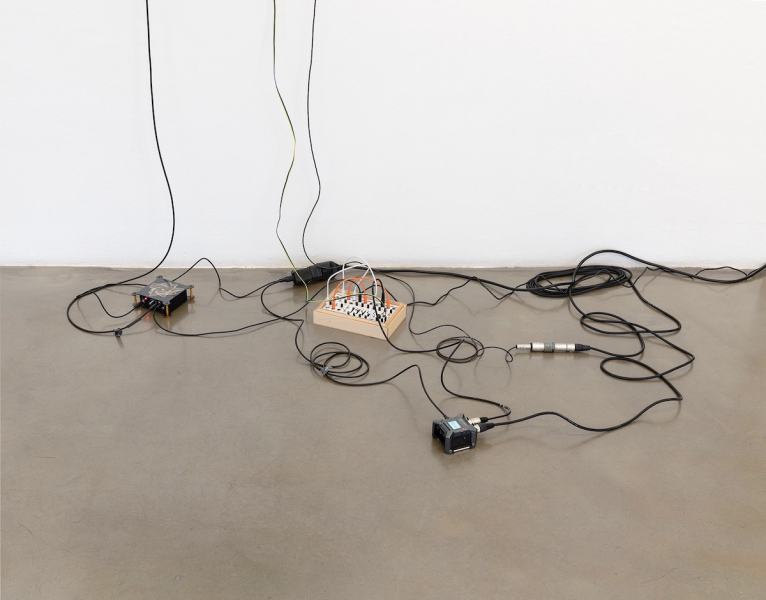
For the exhibition Icone, Lea equips the portraits with sensors and contact microphones attached to the stretchers and hidden behind the canvas. These devices register minute changes in the environment: shifts in temperature, subtle movements of air, vibrations caused by footsteps, and the gentle touch of a viewer leaning closer. Throughout the show, these signals are recorded live, yet the space itself remains silent. The sound exists in potential, accumulating in an invisible archive that will only become fully audible afterwards. The parlour, too, has always generated an invisible archive: conversations had and not recorded, recognitions that passed between guests, knowledge that accrued in a room and resonated muffledly afterwards, when everyone went home. Lea’s sound device refuses to mute the volume of what passes through. The exhibition listens to itself—stores what the walls absorb, holds what the bodies carry in.
Ultimately, the parlour has always been a space where icons become human in each other’s company. Lea’s version is open to all, and asks something further: that we, too, enter as guests—uncertain, attentive, and willing to be changed by what the room holds.
*
Dalia Maini is a writer, editor, and community builder. Their work circulates at the intersection between emancipatory politics of bodies in space, social disobedience, and civic creativity. Most recently, their work investigates the sociopolitical dimensions of affect: how emotions function as sites of both oppression and resistance, and how our feelings are constructed by—and sometimes push back against—systems of power.